Elevate K-12 supports students with individualized education programs (IEPs) through accommodations during live classroom teaching and specialized instruction with certified special education teachers. Classroom Coaches provide in-person support, and district staff retain IEP case management.
In its September 2022 announcement, Elevate reported launching 19 special education programs after six months of pilots. The programs paired certified live special education teachers with in-person Classroom Coaches.
An IEP describes a student’s current academic and functional performance, measurable annual goals, progress measurement and reporting, and the services and supports to be provided. These elements appear in the federal IEP definition in 34 CFR 300.320. The classroom support described below addresses access to instruction and targeted learning needs.
Classroom Accommodations Support Participation in Tier 1 Teaching
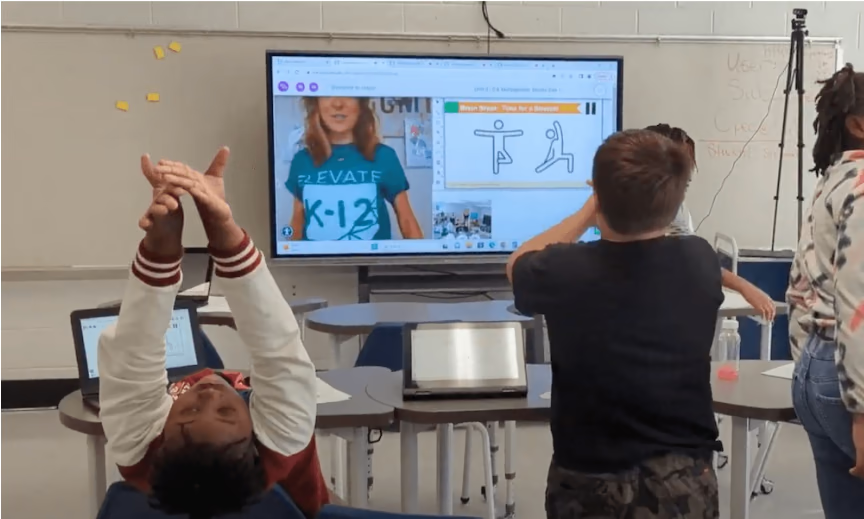
Tier 1 instruction is the main classroom instruction students receive. In Elevate’s live teaching model, a certified teacher teaches remotely while students attend school with an adult supporting them in person. The Classroom Coach works alongside the live teacher and the school’s special education staff to help students participate in the lesson.
During live classroom teaching, a Coach can help a student log in, prepare materials, redirect attention, and use the accommodations communicated to the teaching team. The teacher can check understanding during the lesson and adjust the pace or explanation in response to student work.
Portal Tools Provide Reading, Timing, and Participation Options
Elevate’s current Special Ed LIVE information identifies extended time, adjustable text sizes, text-to-speech, and recorded lessons in its Portal and Otus work platforms. Text-to-speech provides a way to hear written material, while text-size adjustments change its display. Extended time provides additional time for the relevant task. The live instructor and Classroom Coach provide additional support according to student needs.
Students also have class chat, private teacher chat, and interactive whiteboard tools in live classes. A student who needs another way to respond can communicate through those channels during instruction. Visual reinforcement, checks for understanding, and brain breaks are among the supports described for Special Ed LIVE classes.
A reading accommodation concerns access to the lesson’s text; a private response option concerns participation. The teaching team uses the needs shared by school staff to select the relevant supports.
Inclusive Learning Resource Rooms Add Targeted Instruction
The 2022 Resource Room approach combined adapted classroom content with guided notes, word walls, manipulatives, and workbooks. Those materials gave students additional ways to work through the same learning concepts. The teacher could focus on a foundational skill while helping students connect it to their classroom work.
Current Special Ed LIVE materials explain the adaptations more specifically for math and English language arts. Special education subject matter experts review lessons to reduce text and ambiguity, emphasize major grade-level standards, add checks for understanding, and provide guided notes and visual vocabulary support. Slower pacing and additional practice give the teacher more room to work on the skill being taught.
The current Resource Room format provides small-group, grade-level or remedial instruction through pull-out sessions or scheduled interventions. It can give students a second exposure to a subject alongside general education. Elevate describes Resource Room and Self-Contained Core classes with up to 12 students, meeting three to five days per week for scheduled class periods.
Special Ed LIVE Offers Three Instructional Models
The current Special Ed LIVE program serves students with mild to moderate disabilities who have IEPs. Its three instructional models have different purposes:
- Self-Contained Core: A certified special education teacher provides primary, grade-level instruction to a small group. Students take that subject in the specialized setting, and the courses carry credit.
- Resource Room: Targeted subject instruction reinforces classroom content or provides material at a different level. This gives students additional instruction connected to their general education work.
- Specially Designed Instruction (SDI): Non-credit-bearing math or English language arts instruction addresses academic IEP goals without a fixed core curriculum. Sessions are one-to-one or in groups of one to four, scheduled around the student’s required IEP minutes. Skills may include phonemic awareness, fluency, comprehension, or math computation.
These formats let a live special education teacher focus on a full subject, additional subject support, or a particular academic skill. In each format, the school provides in-person adult support. Classroom Coaches help with engagement, materials, and accommodation implementation, and meet weekly with the Elevate teacher to plan instruction.
School Staff Retain IEP Case Management
Elevate teachers focus on instruction and progress tracking. They share information with on-site staff and attend meetings as needed. District staff remain responsible for case management, which keeps the school’s IEP work connected to its own personnel and records.
An Elevate Inclusive Learning Coordinator gathers student needs for each program roster and shares accommodations, modifications, and behavior intervention plans with the teaching team. The Coordinator works with the school’s case manager, special education coordinator, or lead teacher. Current program information describes sharing attendance, participation, assessment information, classwork status, and grades to support school reporting.
SDI has a more specific progress process: teachers submit biweekly notes that include IEP goal ratings, timestamps, session artifacts, and observations. Inclusive Learning Coordinators review those notes and share updates monthly with district leaders. This information gives school staff evidence about the academic goals addressed during SDI sessions.
Bottom Line
Elevate’s support for students with IEPs combines access during the main classroom lesson with specialized teaching for additional learning needs. Classroom tools and an in-person Coach help students participate; Resource Room instruction, adapted content, and SDI provide more focused academic support. The live teacher and Inclusive Learning Coordinator contribute instructional information while district staff retain case management. The value of each format lies in the instruction and support it provides for the individual student.